
League Rules Template for Community Leagues
A free league rules template for community leagues: eligibility, rosters, game rules, standings, playoffs, weather, conduct, safe sport and Rowan's Law.
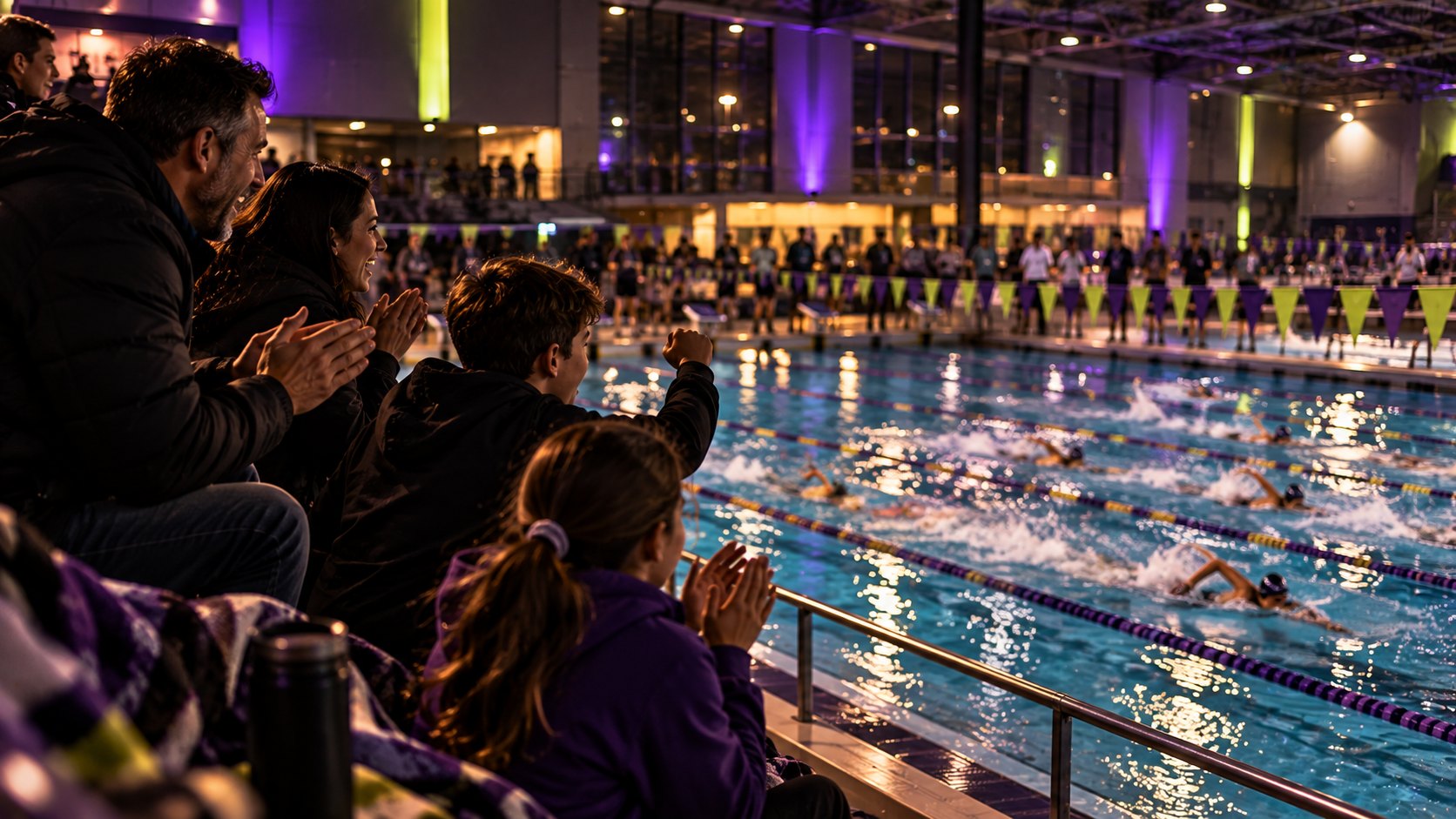
A community league rules template should cover eligibility and age groups, rosters, game rules, standings and tiebreakers, playoffs, weather, conduct and discipline, safety, and how rules change. Start from your sport's official laws and your provincial association's rules, then add only the local details your league needs. Keep it short enough that coaches actually read it.
This template is part of our league scheduling guides. Copy the sections below, fill in the brackets and have your board approve it before registration opens. This is general information, not legal advice. Your governing body's rules always come first. Section 4 below is where most disputes start; our guide to league tiebreaker rules includes a worked three-way tie.
How should you use a league rules template?
- Don't rewrite the laws of the game. Say which official rulebook you follow, then list only your local changes.
- Check your provincial association first. Many set rules on age groups, game length, player numbers and scores for young players.
- Publish it before registration. Families should see the rules before they pay.
- Version it. Put the date and version number at the top, and keep old versions.
The template
1. Purpose and authority
"The (League Name) runs recreational (sport) for (ages) in (area). The league is a member of (provincial association) and follows its rules. Where these rules and the association's rules conflict, the association's rules apply."
2. Eligibility and age groups
- Age groups follow (provincial association)'s age chart for the (season) season.
- Players register through (registration link) by (deadline).
- Playing up an age group needs approval from (role). Playing down is (not allowed / allowed only with association approval).
Our guide to scheduling a league with divisions explains how age groups become divisions.
3. Teams and rosters
- Roster size: minimum (x), maximum (y) per age group.
- How teams are formed: (balanced draft / random / by skill tier).
- Guest or borrowed players: (rule).
- Every team has at least (two) screened adults.
4. Game rules
| Rule | Your setting |
|---|---|
| Official rulebook | (e.g. the sport's national rulebook, current edition) |
| Players on the field or court | (by age group) |
| Game length | (by age group) |
| Equipment and uniforms | (required items) |
| Substitutions | (rolling / at stoppages) |
| Playing time | (e.g. fair playing time for every player) |
| Mercy rule | (if any) |
5. Scores, standings and tiebreakers
- Scores and standings are kept for (age groups only).
- Points: win [3], tie [1], loss [0].
- Tiebreakers in order: head-to-head, then (difference), then (for), then (coin toss).
Before you add standings for young players, check your sport's rules. Canada Soccer's Grassroots Standards say grassroots league formats cannot include scores, standings, elimination or championship games, up to U13.
6. Playoffs
- Format: (single elimination for top 4 / none / festival day).
- Seeding: by final standings.
- Tied elimination games: (extra time / shootout).
See playoff formats for a league season for the options.
7. Schedule, weather and cancellations
- The (scheduler) publishes the schedule by (date).
- Weather calls are made by (role) by (time).
- Play stops when thunder is heard and resumes 30 minutes after the last thunder.
- Postponed games move to the next makeup date.
Environment and Climate Change Canada advises staying sheltered for 30 minutes after the last rumble of thunder. Build your weather section from our rainout and rescheduling policy.
8. Conduct and discipline
- Coaches, players, parents and spectators follow the league code of conduct.
- Abuse of officials leads to (sanction).
- Red cards or ejections carry a (one-game) suspension, more for serious offences.
- Discipline decisions are made by (committee) within (x) days. Appeals go to (body).
9. Safety and safe sport
- The league follows the Universal Code of Conduct to Prevent and Address Maltreatment in Sport (UCCMS), as adopted by (provincial association).
- Coaches follow the Rule of Two, keeping interactions and communications with players open, observable and justifiable.
- Concussion: the league follows (provincial rules and association protocol).
- Screening: volunteers who work with minors complete (the screening your association requires).
10. Changing the rules
"The board may change these rules between seasons. Changes during a season need (a two-thirds board vote) and are posted on the league website within [7] days."
What are common mistakes with league rules?
- Copying another league's rules word for word. Their age groups, fields and association may differ from yours.
- Leaving tiebreakers until the end. Write them before the first game so no one can say the rule was made to fit a result.
- Rules nobody can find. Link the current version from your website, registration page and team chat.
- No appeal route. Families accept decisions more easily when they know how to ask for a review.
Ontario: Rowan's Law belongs in your rules
If your league runs in Ontario, Rowan's Law requires sport organizations to do three things:
- Make sure athletes under 26, parents of athletes under 18, coaches, team trainers and officials confirm each year that they have reviewed Ontario's Concussion Awareness Resources.
- Have a concussion code of conduct.
- Have removal-from-sport and return-to-sport protocols.
Reference all three in section 9. Other provinces have their own concussion rules, so check with your provincial association.
Other Canadian notes
- Quebec: publish your rules in French. Offer English as well if your families need it.
- Personal information: the Office of the Privacy Commissioner of Canada says PIPEDA does not generally apply to non-profits and charities unless they carry out commercial activities. Alberta, British Columbia and Quebec have their own private-sector privacy laws. Check which rules apply before you collect player data.
- Incorporated leagues: your bylaws sit above these rules. Make sure the two do not conflict.
In the US
US leagues follow their national governing body and state association. Safe sport and concussion rules vary by state and organization. Swap in those references in sections 1, 5 and 9.
Frequently asked questions
What should a league rules template include?
Cover purpose and authority, eligibility and age groups, teams and rosters, game rules, scores and standings, playoffs, schedule and weather, conduct and discipline, safety and safe sport, and how rules change. Start from your sport's official laws and your provincial association's rules, then add only local details.
When should a league publish its rules?
Publish the rules before registration opens, so families see them before they pay. Have your board approve them first, put the date and version number at the top, and link the current version from your website, registration page and team chat. Keep old versions on file.
Can league rules change during the season?
The template lets the board change rules between seasons. Changes during a season need a stated threshold, such as a two-thirds board vote, and are posted on the league website within a set number of days. Never leave tiebreakers to be decided at the end of the season.
What does Rowan's Law require in Ontario league rules?
Rowan's Law requires Ontario sport organizations to make sure athletes, parents, coaches, team trainers and officials confirm each year that they reviewed Ontario's Concussion Awareness Resources. Organizations also need a concussion code of conduct and removal-from-sport and return-to-sport protocols. Reference all three in your safety section.
Where Play 2 Earn Sports fits
Play 2 Earn Sports builds league schedules, and takes registration and payments, with fees paid into the club's own Stripe account, but it does not migrate full account data from another platform. It gives your club a free club page with club and team schedules, team chat and player profiles, where you can share your rules with teams. For a single-elimination playoff, the free Bracket Generator handles 4, 8, 16 or 32 teams. Parents can find your club on the site.
Run your club on Play 2 Earn Sports, free. Club Starter sets up your club, teams, schedules and chat. It is free for clubs, with unlimited teams (see pricing). Start your club free.
Sources
- Canada Soccer, Grassroots Standards (checked 2026-09-26)
- Environment and Climate Change Canada, Lightning safety preparedness (checked 2026-09-26)
- Coaching Association of Canada, Safe Sport Training and Rule of Two (checked 2026-09-26)
- Government of Ontario, Rowan's Law (checked 2026-09-26)
- Office of the Privacy Commissioner of Canada, PIPEDA in brief (checked 2026-09-26)
Running a club or league? See free club management software, software for team and league schedules, bracket generator, or build a tournament online.