
How do you tie football pants?
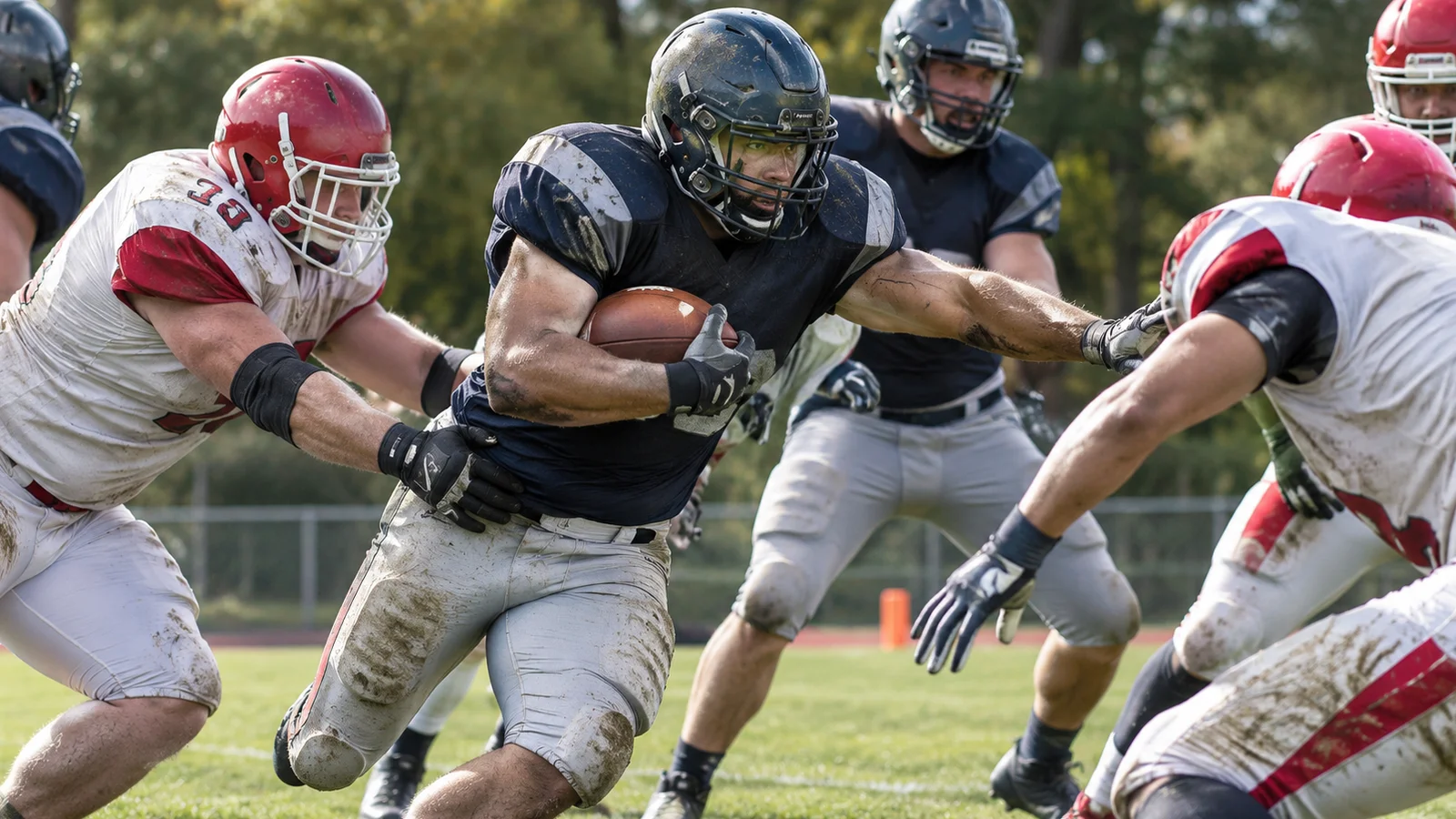
Pull the pants up, tighten the drawstring or belt at the waist, and tie a secure bow so it can come loose safely. Check that the knee, hip, tailbone, and thigh pads sit over the right spots, then tuck the jersey in. Adjust the leg openings and recheck everything after warmups.
Last updated
- Tighten the drawstring or belt at the waist.
- Tie a bow rather than a hard knot.
- Make sure every pad covers its target.
- Tuck the jersey and recheck after warmups.
Steps for tying football pants before kickoff
Start by pulling the pants up to your natural waist, not low on the hips. Tighten the drawstring or belt evenly so the waistband stays put, then tie a bow rather than a hard double knot, because a bow releases quickly if it catches on a helmet or another player. Smooth the fabric down each leg and set the leg openings where you want them.
Next, look at the pads. The knee pads should cover the kneecap, the hip pads should cover the hip bones, the tailbone pad should cover the tailbone, and the thigh pads should cover a good share of the thigh. The American Academy of Pediatrics says pads should not be removed from the pants, so work the fabric until each pad lies flat instead of pulling pads out to reposition them.
Where each pad should sit
A properly worn pair of football pants does more than hold fabric in place: it keeps protective pads over the body parts they were designed to cover. If a pad has slid to the side, fix it before the first snap. A knee pad rotated away from the kneecap leaves the joint exposed.
Pads should not be removed from the pants. When the pad pockets are empty, the pants no longer protect the joints they are meant to cover, and missing equipment becomes a playing-rules problem rather than a comfort issue. Coaches should check linemen and skill players the same way, because pads shift during stretching and warmups.
Check the helmet, shoulder pads and shoes after the pants
Once the pants are tied, run through the rest of the uniform. The AAP advises that shoulder pads be sized by chest measurement and extend 0.75 to 1 inch (about 2 to 2.5 cm) beyond the acromioclavicular joint, with enough range of motion that they do not ride into the neck when the arms go up.
For the helmet, the AAP says the eyebrows should sit 1 to 1.5 inches (2.5 to 3.8 cm) below the front rim, with the back of the helmet covering the back of the head. USA Football's fitting steps put the helmet about one inch above the eyebrows, then adjust it front to back and side to side before fastening the chin strap. Tie shoe laces securely for the surface.
Mouth guards can help prevent oral or facial injuries but not concussions, according to the AAP.
What happens when equipment slips during a game
High school rules treat missing or improperly worn equipment seriously. The NFHS says a player detected with missing or improperly worn equipment during playing action is removed for at least one down, unless the problem comes from an opponent's foul. A quick repair is allowed without losing the player if it does not delay the ready-for-play signal by more than 25 seconds.
The head coach is responsible for verifying that every player is legally equipped. That makes the pregame mirror check worthwhile: waistband tight, pads flat, jersey tucked, chin strap fastened and laces tied before the player leaves the sideline.
Frequently asked questions
Should I tie a bow or a hard knot on football pants?
A bow is the safer choice. It holds the waistband snug during normal play but can be pulled loose quickly if the drawstring catches on equipment or another player. A hard double knot is harder to undo in a hurry and can dig into the waist. Tighten the drawstring evenly before tying so the pants do not sag.
Why do football pants have pads built in?
Football pants are made to hold knee, hip, tailbone and thigh pads in the right places while a player runs, blocks and tackles. The American Academy of Pediatrics advises that pads should not be removed from the pants, because the pants are part of the protective system, not just clothing.
What should a parent check before a youth football practice?
Check that the waistband is snug, the knee, hip, tailbone and thigh pads sit over the right spots, and the jersey is tucked. Then check the helmet rim sits about one inch above the eyebrows, the chin strap is centered and tight, shoulder pads do not ride into the neck, and shoe laces are tied for the surface.
What happens if a pad slips out during a high school game?
The NFHS rule removes a player for at least one down when equipment is missing or worn improperly during play, unless an opponent's foul caused it. A repair that takes no more than 25 seconds and does not delay the ready-for-play signal can be done without replacing the player. The head coach is responsible for legal equipment.
Sources
Football questions · Find a american football team
Running a club or league? See Play 2 Earn Sports, a SportsEngine alternative, free tournament maker, or build a league schedule.
Open Next Play