
How do you run a baseball practice?
Warm up, then split practice into short throwing, hitting, fielding and base-running blocks. Use stations so everyone stays active, and end with a game-like drill. Match drills to age and skill, include water breaks and finish on time. Write the plan before you arrive.
Last updated
- Start with a dynamic warm-up.
- Keep each station short and active.
- End with a fun team competition.
- Finish with a cool-down and brief review.
Write a timed plan before the first player arrives
A practice without a written schedule turns into batting practice and standing around. The Little League coaching guide recommends a plan that assigns a number of minutes to every activity, and it notes that a 15-minute brainstorm on paper, split into time well spent and time wasted last season, is enough to start. Each block should carry one clear goal, so a drill that does not teach hitting, fielding or base running has no place on the sheet.
New volunteers do not have to build the plan from scratch. Little League publishes ready-to-use curricula for Tee Ball and Coach Pitch, and the Coach Pitch program runs 12 weeks, opening with two weeks of spring training at three practices per week before settling into two practices and two games in season.
Start with movement, not a long speech
Open with a dynamic warm-up so players are loose before throwing at full speed. Save the talk about team rules and expectations for that warm-up, when the group is already gathered and nobody is mid-drill; the coaching guide suggests procedure and culture belong in that slot. Guidance from the American Academy of Pediatrics also calls for a proper warm-up and cool-down around every session, not a few arm circles. Hand out the plan for the day while players stretch.
Run small, fast-moving stations
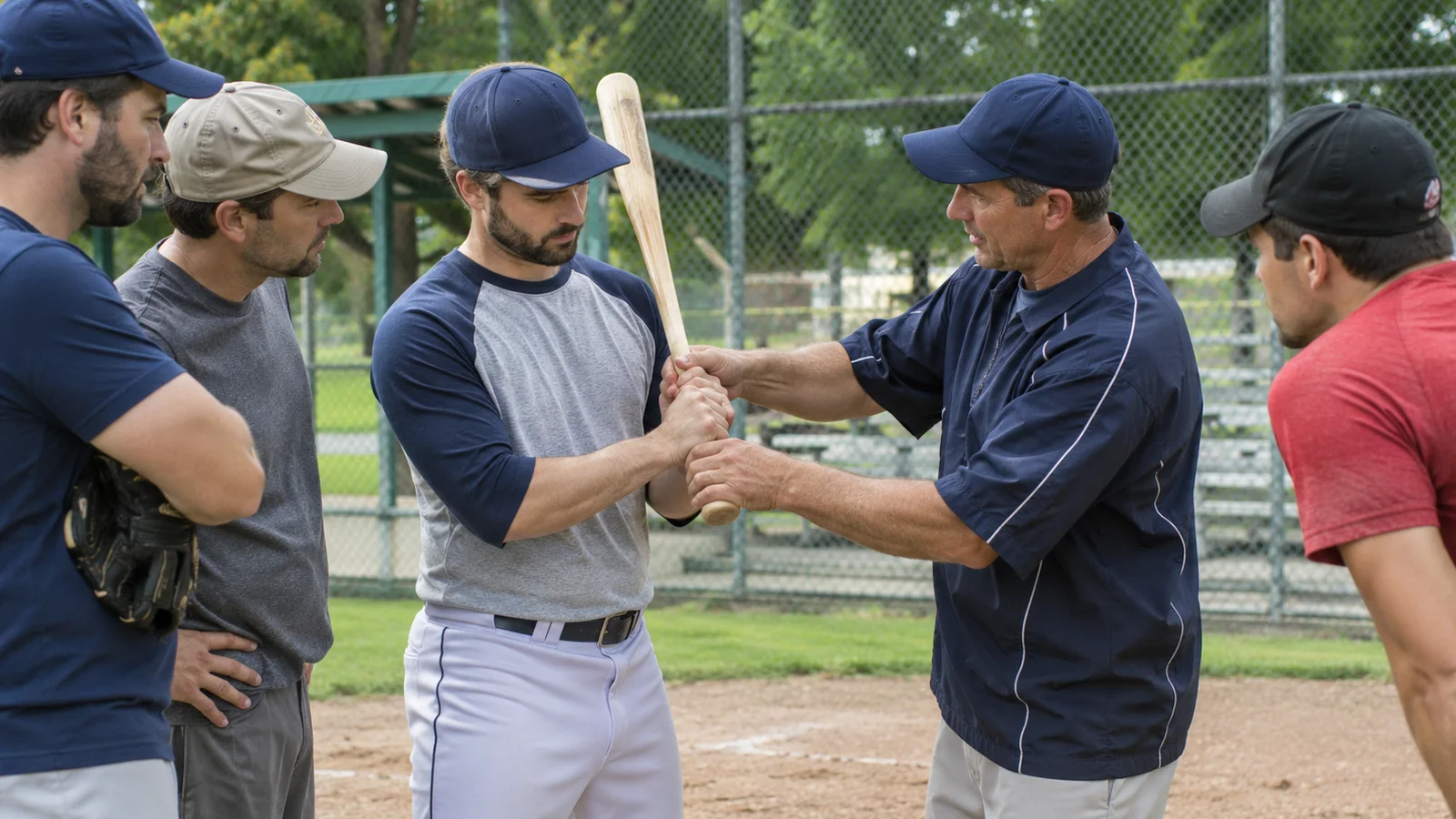
Preseason practices work best as stations running at the same time. The Little League station model keeps one adult with no more than four players, moves groups quickly, and spaces stations far enough apart that jogging between them adds conditioning and a little competition. Avoid the classic mistake of hitting to one child while 13 others watch; every player should have a ball or a job. Explain each skill in a sentence or two and demonstrate it, because a long lecture loses the group.
Schedule water, heat and lightning checks
Put water breaks on the plan rather than waiting for players to ask, and let them drink before, during and after the session. The American Academy of Pediatrics notes that adapting to exercise in heat usually takes 1 to 2 weeks, so early-season practices should be lighter. The AAP also sets a hard lightning stop: play is suspended for 30 minutes after the last strike when lightning is detected within 6 miles (about 10 km), following its 5-second-per-mile rule. Choose the safe building before practice starts.
Close with a game and a cool-down
Give the final block to the players. Let them choose a skill drill and turn it into a competition with a small prize, or use the coaching guide's reward: finish five drills two minutes under the planned time and earn 10 minutes of home run derby. A stopwatch race around the infield does the same job for older groups. Rotate before a drill goes stale, roughly after 15 to 20 tee swings, then finish with a cool-down and two sentences on what the team did well.
Frequently asked questions
How many practices should a team hold each week?
The Little League Coach Pitch program, which runs 12 weeks, starts with two weeks of spring training that include three practices per week. Once games begin, the plan shifts to a week with two practices and two games.
How do you stop players from standing in line?
Use stations and keep one adult with no more than four players. Fast-moving stations let several drills run at once, and spreading them apart means the walk between them becomes conditioning instead of dead time. Give every waiting player a ball or a specific job.
What should be in a practice emergency plan?
The American Academy of Pediatrics advises teams to build and rehearse an emergency plan that lists first aid steps and emergency contacts, with a written copy for every member each season. Parents should also read it and go over it with their child before the first practice.
What do you do when lightning appears?
The AAP says to stop play and wait 30 minutes after the last strike when lightning is within 6 miles (about 10 km), following its 5-second-per-mile rule. Move to a building with metal pipes or well-grounded wiring, and keep everyone out from under bleachers or other non-grounded structures.
Should a practice end with a cool-down?
Yes. The AAP lists proper warm-up and cool-down exercises as part of injury prevention, and a short cool-down gives the coach a natural moment for a brief review. Pair it with water and a reminder of the next practice time.
Sources
Baseball questions · Coach app
Running a club or league? See free club management software, moving off LeagueApps, bracket generator, or build a tournament online.
Explore Club OS