
Is basketball safer than football?
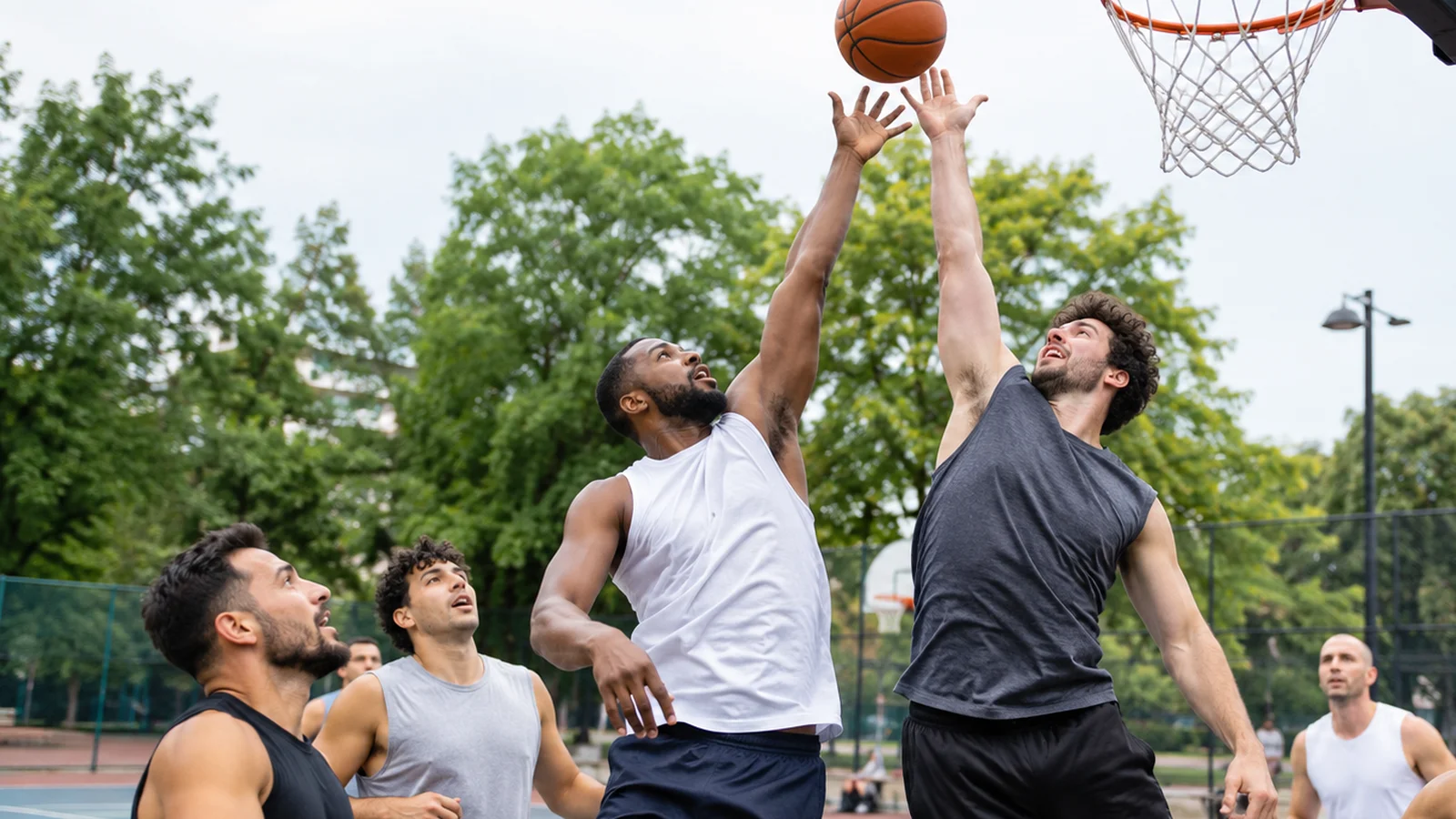
Basketball is generally safer than football because it involves less tackling and fewer high-speed collisions, but it is not risk-free. Ankle sprains and finger injuries are common in basketball, and concussions can happen in both sports. Proper coaching, equipment and concussion rules matter in every sport your child plays.
Last updated
- Basketball involves less tackling than football
- Ankle sprains are common in both sports
- Concussions can happen in basketball too
- Proper coaching and equipment reduce risk
What injury surveillance shows
US high school injury surveillance published in the Orthopaedic Journal of Sports Medicine tracked 6,778,209 athlete exposures in nine sports. The overall rate was 2.29 injuries per 1,000 athlete exposures. Football had the highest rate at 3.96, ahead of girls' soccer at 2.65 and boys' wrestling at 2.36. Basketball did not rank in that top group. One athlete exposure means one athlete taking part in one practice or game.
The same study found sprains and strains and concussions were the most common diagnoses.
Ankle sprains are more common in basketball
A separate study of ankle sprains in US high school sports found the highest rates in girls' basketball at 5.32 per 10 000 athlete exposures and boys' basketball at 5.13. Girls' soccer followed at 4.96 and boys' football at 4.55. In this data, basketball produced more ankle sprains than football, even though football produced more injuries overall.
The AAP says ankle sprains are one of the most common injuries in jumping sports and often happen when a player lands from a jump onto another player's foot. A previous sprain raises the risk, and preseason ankle strengthening can help.
Contact, equipment and the head
Equipment differs in more than weight. The AAP says a football helmet should be fitted so the eyebrows sit at least 1 inch below the front rim (about 2.5 cm), while basketball relies on mouth guards and protective eyewear.
Concussion rules in Canada and the US
Canada has province-level rules. In Ontario, Rowan's Law brought new rules into effect on July 1, 2019. Additional rules from January 1, 2021 require sport organizations to put Removal-from-Sport and Return-to-Sport protocols in place. The rules cover athletes under 26, parents of athletes under 18, coaches, trainers and officials.
League rules vary, so ask your organization for its removal and return protocol. A child with a suspected concussion needs to be seen by a health care provider before returning to play.
Starting ages and questions to ask
Football programs exist for players as young as 6 years, according to the AAP, while Canada Basketball's youth program runs from ages 5-12. Body size, coaching, contact limits and equipment standards change the season.
Ask a league how it teaches contact, what coach training it requires, how it handles a suspected concussion, and what equipment it provides. For basketball, ask about ankle sprain prevention and shoes. For football, ask how helmets are fitted and reconditioned.
Frequently asked questions
Is basketball safer than football for knees?
Neither sport is easy on knees. The AAP lists knee injuries in basketball from cutting, pivoting, landing or contact, and in football from contact and cutting. Basketball's jumping load also shows up in ankle sprains. A player's history, coaching and training plan matter more than the sport name.
Do basketball players need helmets?
Basketball does not use the fitted helmets that football requires, but that does not remove the risk of concussion. The AAP's basketball advice focuses on good shoes, fitted mouth guards and protective eyewear, plus fair play. A suspected concussion still means removal from play and a medical check.
How common are concussions in youth sports?
A 2026 study reports more than 1 million sport-related concussions among US children each year. The AAP stresses that all concussions are serious and that no athlete should return until they see a doctor. Reporting varies, so treat any head impact as a reason to stop and get checked.
What is Rowan's Law?
Rowan's Law is Ontario's concussion safety law for amateur competitive sport. Rules took effect on July 1, 2019 and added Removal-from-Sport and Return-to-Sport protocol requirements on January 1, 2021. Athletes under 26, parents of athletes under 18, coaches, trainers and officials must review concussion resources and their organization's code of conduct.
At what age can a child start football?
The AAP notes that football programs exist for players as young as 6 years and continue through high school, college and professional levels. Starting age is a family decision. Ask the league about contact limits, coach training and equipment fitting, and speak with a health care provider about your child.
Sources
- healthychildren.org
- healthychildren.org
- cdc.gov
- Orthopaedic Journal of Sports Medicine - Epidemiology of Sports Injuries Among High School Athletes in the United States
- Journal of Athletic Training - The Epidemiology of Ankle Sprains in US High School Sports
- Neurosurgery - Mechanisms of Concussions Among High School Athletes in School-Sponsored Sports
- Government of Ontario - Rowan's Law: Concussion Awareness Resources
- Canada Basketball - Jr. NBA Youth Basketball
Basketball questions · Sports App For Parents
Running a club or league? See free club management software, leaving SportsEngine, free round robin generator, or bracket generator.
Find a club