
Is baseball safer than football?
Baseball involves less player-to-player contact than tackle football, so it generally carries a lower concussion risk. Both sports have injury risks. Baseball's biggest concern is overuse injury from throwing, while football has more contact injuries. Proper coaching, rules and equipment reduce risk in both.
Last updated
- Football is a contact sport with collision injuries.
- Baseball stresses throwing and overuse.
- Both need qualified coaching and safe rules.
- No sport is completely risk-free.
Step 1: Compare where each sport's injuries come from
Tackle football is a fast-paced, aggressive, contact team sport, and concussions occur when the head or neck hits the ground, equipment, or another athlete. Blocking and tackling also produce ankle, knee and shoulder injuries. That collision load is the first thing to weigh when a family compares the two sports.
Baseball's documented risk for young players is different. The American Academy of Pediatrics notes that there are specific overuse injuries that commonly affect young ball players, and most of these injuries can be prevented. Add batted balls, thrown bats and sliding, and the pattern is arm stress plus ball-contact injuries rather than tackling collisions.
Step 2: Manage the throwing arm before the season starts
Little League caps baseball pitchers aged 11-12 at 85 pitches a day, with rest set by tiers: 51-65 pitches requires three days off, and 66 or more requires four. Softball uses innings instead. The AAP advises limiting the number of pitches a player throws in practice or a game to help prevent overuse injuries, and pitch count guidelines based on age are published by USA Baseball.
Parents should also watch for pain that persists. The AAP says any athlete with shoulder pain lasting more than 7 to 10 days should see a doctor. Little League shoulder is an irritation to the growth plate in the humerus, so resting a sore arm early is simpler than managing that injury later, whether the child pitches in a house league or a travel program.
Step 3: Fit the protective gear each sport depends on
Football protection is only as good as its fit. The AAP says a helmet should sit so the eyebrows are 1 to 1.5 inches (2.5 to 3.8 cm) below the front rim, and shoulder pads should be sized by chest measurement. Mouth guards help with oral and facial injuries, but the AAP is clear that they do not prevent concussions.
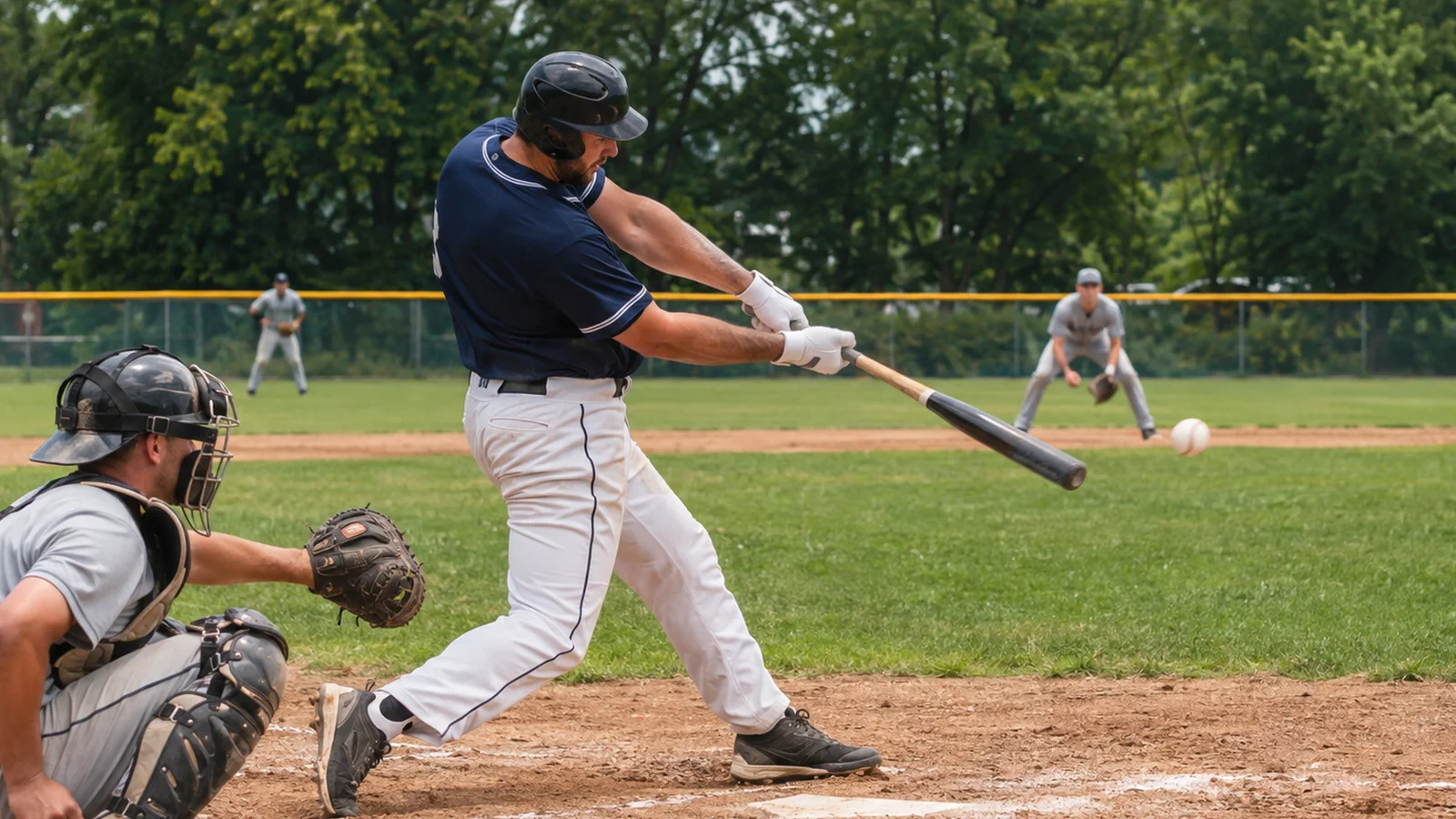
Baseball relies on different equipment. Batters wear helmets, catchers wear masks, chest protectors and shin guards, and the AAP recommends safety baseballs because softer balls lower injury from being struck and reduce the risk of commotio cordis. Players should also avoid headfirst slides and use break-away bases.
Step 4: Put an emergency and weather plan in place
Both sports need a written emergency plan. For baseball, the AAP notes that an automated external defibrillator can successfully resuscitate an athlete with commotio cordis if one is available, so parents should know where the nearest unit is kept.
Weather rules belong in the same plan. The AAP says play should stop for 30 minutes after the last strike when lightning is detected within a 6-mile (9.7 km) radius. Football and baseball leagues should both publish that rule and identify a safe building before the season begins.
Step 5: Ask the coach about technique and supervision
Coaching changes the risk picture more than the sport name. The AAP says the risk of football injuries can be reduced with supervision, fitting equipment and safe technique, and it warns that a player who leads with the head to make a tackle should be strongly discouraged from continuing that practice.
For baseball, ask how the coach teaches sliding, base running and pitch limits, and whether the league enforces its rules. A coach who can explain tackling technique, pitch counts and the emergency plan is a better safety signal than a trophy case.
Frequently asked questions
Is baseball safer than football for a young child?
There is no simple yes. Tackle football is a contact sport where concussions occur when the head or neck hits the ground, equipment or another athlete. Baseball's main documented risk for young players is throwing overuse, plus batted-ball injuries. The safer choice depends on coaching, rules, equipment and workload rather than the sport's label.
Do mouthguards prevent concussions in football?
No. The American Academy of Pediatrics says mouth guards can help prevent oral or facial injuries but not concussions. Helmet fit and tackling technique still matter, and a player with a suspected concussion should be removed from play and assessed by a medical professional.
How many pitches can a young baseball pitcher throw?
Little League caps pitchers aged 11-12 at 85 pitches a day. Rest is tiered: 51-65 pitches requires three days off, and 66 or more requires four. Younger age groups have lower limits, and softball follows innings rather than a pitch count.
What safety questions should a parent ask the coach?
Ask who is trained in first aid, where the AED is kept, how tackling or sliding technique is taught, and how pitch counts are tracked. Ask whether the league follows a lightning rule and has a written emergency plan. The AAP says most baseball and softball injuries can be prevented when rules and equipment are enforced.
Sources
Baseball questions · Sports App For Parents
Running a club or league? See free club management software, moving off LeagueApps, free round robin generator, or bracket generator.
Find a club