
How do you coach youth baseball?
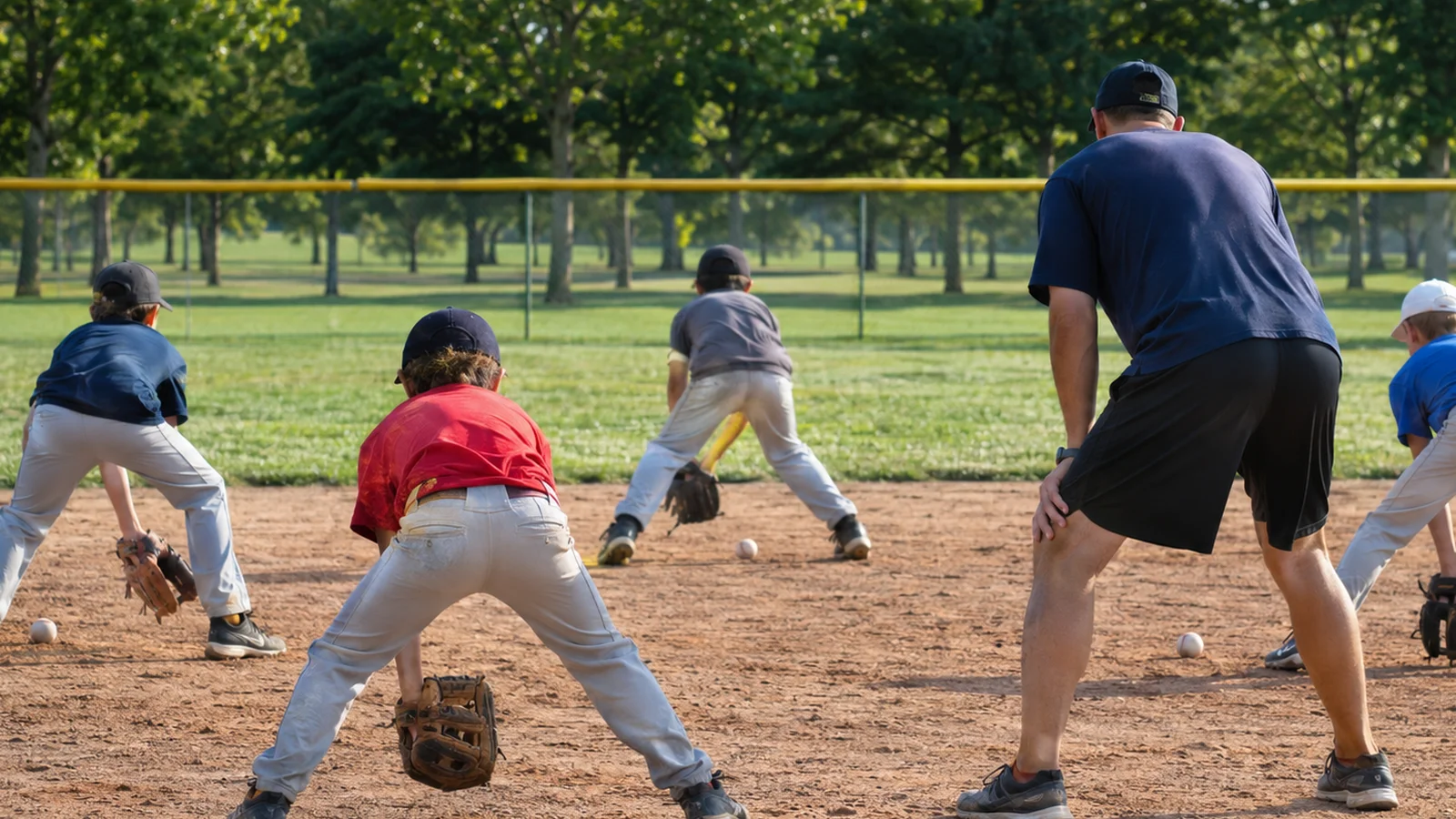
Create a safe, fun environment first, then teach fundamentals in short, simple drills. Arrive with a written plan, demonstrate skills, and give every player repeated turns. Praise effort, correct mistakes calmly and communicate with parents. Take a coaching course and talk with experienced coaches before the season.
Last updated
- Plan each practice around one or two skills.
- Use stations so players are not standing around.
- Keep instructions short and demonstrate clearly.
- Make safety and sportsmanship non-negotiable.
Mistake one: running practice without a written plan
Little League tells new coaches to build a practice plan for every session. Give each activity a set number of minutes, list the fundamentals you will cover and leave room for water breaks. A written sheet also shows parents that you value their time.
Keep players moving from station to station, and space the stations so the walk between them adds conditioning and competition. Save longer talks about team culture for the opening stretch, when the group is already gathered.
Mistake two: using the same drills at every age
Tee Ball covers ages 4-7 and runs as a 10-week program with rosters averaging 7-10 players, one or two practices a week and a single weekend game. Minor League reaches ages 5-11, and many leagues put 5-8s in coach pitch and 9-10s in player pitch.
Field size changes with the division. Minor and Major play on a diamond with 60 feet (18.3 m) between bases and a pitching distance of 46 feet (14 m). Intermediate 50/70 uses a pitching distance of 50 feet and base paths of 70 feet (15.2 m and 21.3 m), while Junior League moves to bases 90 feet (27.4 m) apart at ages 12-14.
Mistake three: letting pitch counts drift
Little League caps daily pitches at 50 for ages 6-8, 75 for 9-10, 85 for 11-12 and 95 for 13-16. For pitchers 14 and under, rest runs from zero days after 1-20 pitches to four days after 66 or more, with one day after 21-35, two after 36-50 and three after 51-65.
The American Academy of Pediatrics connects those limits to fewer overuse injuries and points to USA Baseball for age-based pitch guidelines. Keep a pitch log in the scorebook or a scoring app so every coach sees the count before the next inning.
Mistake four: correcting loudly and talking too long
Little League asks coaches to recognize solid play and to correct mistakes in a supportive way, with an idea for how to improve. Long instructions lose young players, so demonstrate first, give one cue at a time and then let them repeat the skill.
Where Canadian and US coaches train
In Canada, coach education runs through the National Coaching Certification Program, which provides standardized training across 65 sports and offers a Community Sport stream where beginner coaches often start. Baseball Canada is the national governing body, working through 10 provincial associations.
In the US, Little League's first-time coach guidance points volunteers to its Double-Goal Coach course and requires a national background check before they work with players. Ask your league which course and check it accepts before the first practice.
Frequently asked questions
Do I need a coaching certificate?
It depends on the league and the country. In Canada, beginner coaches often start with the NCCP Community Sport stream. In the US, Little League points first-time coaches to its Double-Goal Coach course and requires a national background check. Ask your league what it accepts before the season starts.
How should I handle parents?
Meet them after the first week of practice, explain your coaching philosophy and goals, and say that development and fun come before winning. Ask them to raise concerns with you directly and to support the team from the stands. Put team rules in writing so everyone works from the same sheet.
What does a Tee Ball season look like?
Tee Ball is the entry division for ages 4-7 and usually runs about 10 weeks. Rosters average 7-10 players, with one or two practices a week and a single weekend game. Little League supplies a Tee Ball curriculum, which helps a volunteer with little experience run simple, repeatable sessions.
What should I do if a player's arm hurts?
Follow the pitch limits for the player's age rather than asking for one more inning. The American Academy of Pediatrics says limiting pitches in practices and games helps prevent overuse injuries, and that shoulder pain lasting more than 7 to 10 days should see a doctor. A written pitch log keeps the whole staff honest.
Sources
- littleleague.org
- healthychildren.org
- Little League - 8 Helpful Tips for New Little League Coaches
- Little League - Time Management for Returning Coaches
- Little League - Baseball Divisions
- Little League - Regular Season Pitching Rules
- Coaching Association of Canada - About the NCCP
- Baseball Canada - Home
How do you become a baseball coach · Baseball questions · First Time Youth Coach
Running a club or league? See Play 2 Earn Sports, a SportsEngine alternative, build a league schedule, or make a round robin schedule.
Explore Club OS