
In this guide
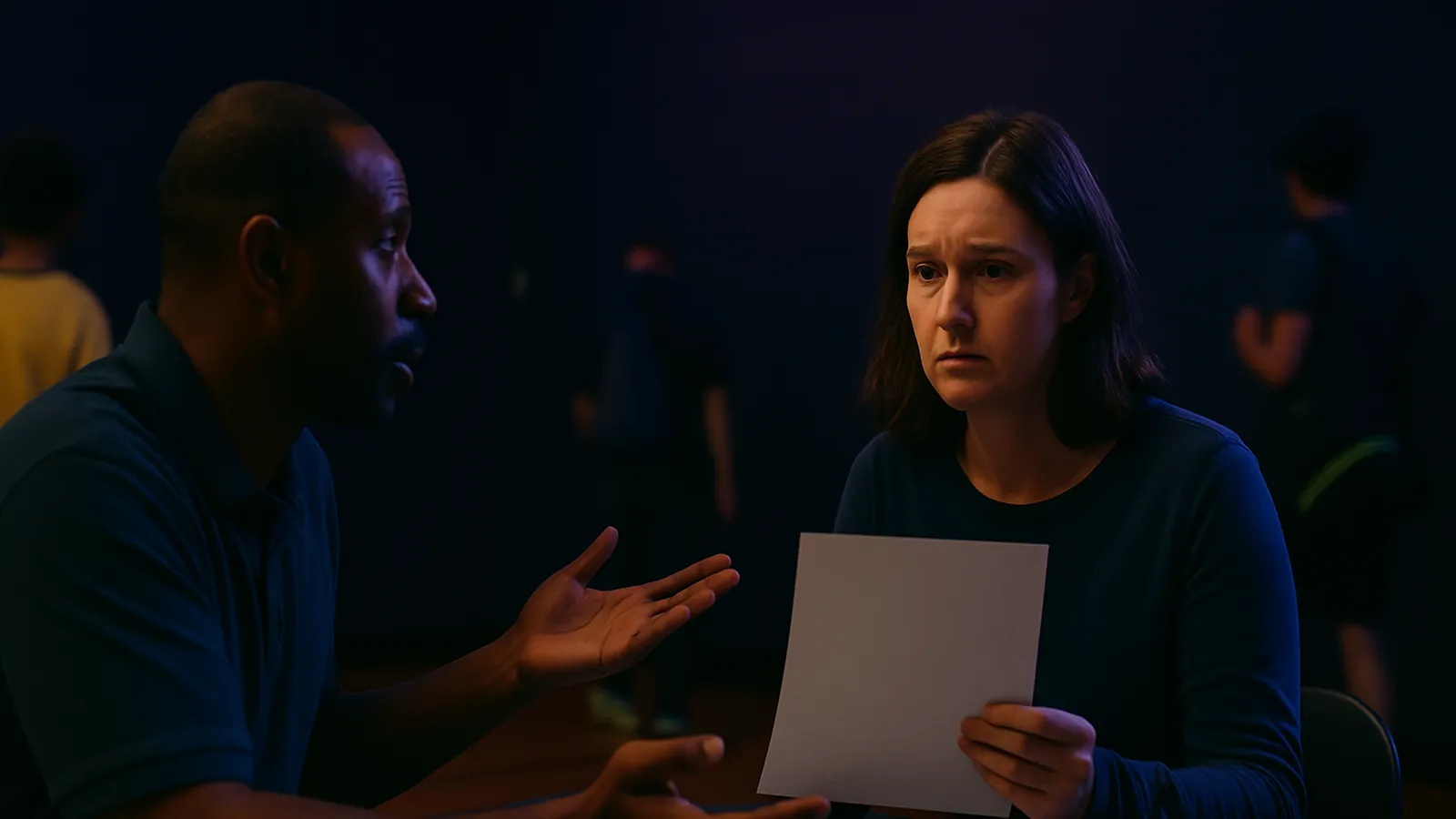
The question club leaders ask: "New parents ask us whether their seven-year-old should be on the 'competitive' team, what academy means, and whether showcase events are worth it. Every coach gives a different answer. How do we explain our pathway clearly?"
Why families get confused
- The words mean different things at different clubs. "Academy," "select," "travel," "rep" and "elite" are not standard terms.
- Every coach explains it differently. One says rec is for beginners; another says it's for kids who aren't serious.
- The real conversation happens at tryouts. Families learn about costs and travel when emotions are highest.
- Rec families feel like second-class members. If the pathway only points up, families who play for fun think the club doesn't value them.
An example: the surprise in May
Illustrative example, not a specific club.
Here is an example. A family registers their nine-year-old for house-league basketball in the fall. In the spring, a coach suggests the child try out for the competitive team. The parents say yes, then learn at tryouts about three practices a week, weekend travel and a higher fee. They feel blindsided, the child feels pressure, and the family wonders what else they weren't told.
None of that information was secret. It just wasn't written down where a new family could see it.
Draw your pathway on one page
One page, one picture. For each level, write six short lines:
| Line | What to write | Example wording |
|---|---|---|
| Level name | The name your club uses, plus a plain description | "Competitive: teams that travel to play other clubs" |
| What it's for | The purpose, in one sentence | "Fun, friends and learning the game" |
| Ages | The age groups offered | "U6 to U12" |
| Time commitment | Practices and games in general terms | "One practice and one game a week" |
| Cost | General terms, or a range the club confirms | "Lowest fee in the club; uniform included" |
| How players join and move | Open registration, evaluation or tryout, and when | "Tryouts each spring; players can move back to rec at any season" |
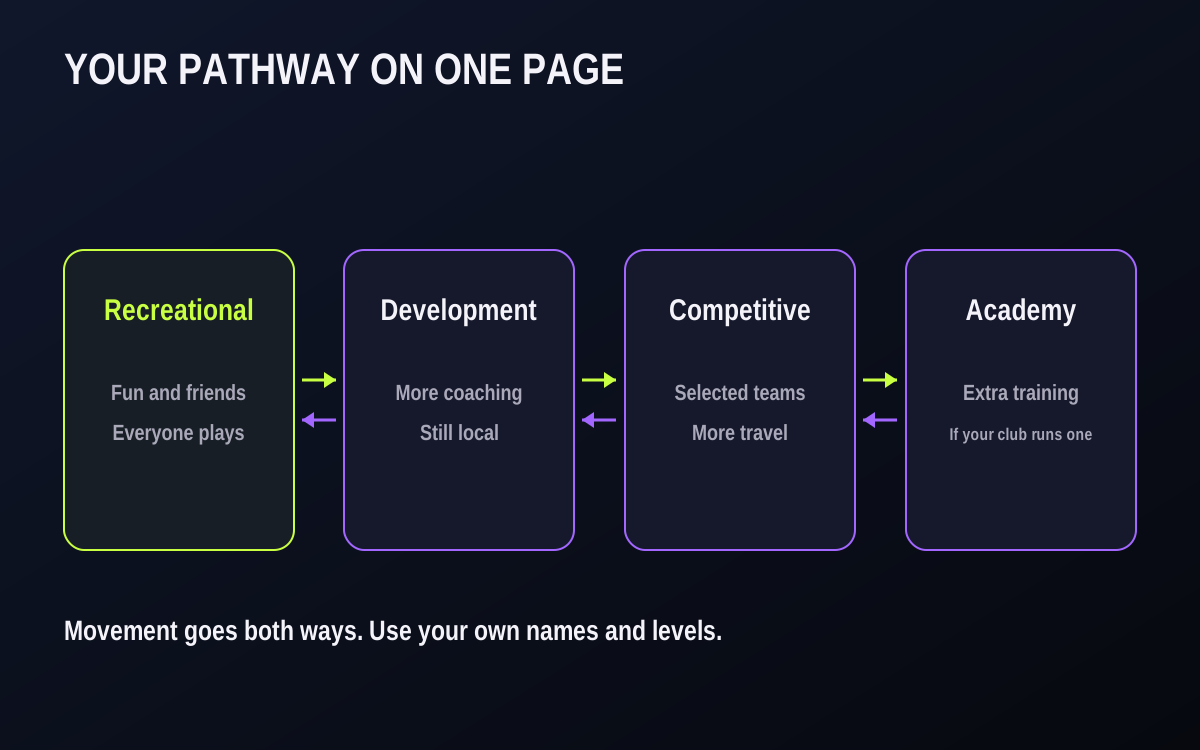
A club pathway can include some mix of these levels: recreational (fun, friends, everyone plays), development (more coaching, still local), competitive (selected teams, more travel), and sometimes an academy or advanced training program. Showcase events are a type of event, not a level; explain what they are and who they are for. Use your own names, and only list what your club actually runs.
Be honest about expectations
- Movement goes both ways. Players move up, and some move back. Say so on the page.
- Higher levels cost more time and money. State that plainly before tryouts, not during them.
- No level promises a future. Don't suggest that a level leads to scholarships, scouts or professional play. Describe what the level gives a player now: coaching, competition, teammates.
- Late developers belong too. Some players grow into the game later. Make it clear the door stays open.
When to have the conversation
At registration.
Link the one-page pathway on the registration page and in the welcome message.
At a parent meeting early in the season.
Five minutes, with the page on screen.
Before tryouts are announced.
Send it again, with the dates and the commitment for each level.
After evaluations or tryouts.
A short private conversation about the result and the options at every level.
Every coach should use the same page and the same words.
A script for the post-tryout conversation. Keep it private, short and about options, whatever the result:
"Thanks for coming to tryouts. [Child] has been placed on [team/level] this season. The main reasons were [one or two specific, controllable things]. That team will [what it offers]. Players can try out again next [season], and some move between levels from year to year. If you'd like to talk about it, [coach/director] is free on [day]."

Worked example — a pathway table by age
Illustrative example, not a real club. Use your own levels, names, ages and terms.
Here is how a fictional multi-sport club might lay out its pathway on one page. Each row is an age band; each column is a level the club actually runs. A blank cell means the club does not offer that level at that age, which is honest and useful information too.
| Age band | Recreational | Development | Competitive | Advanced training |
|---|---|---|---|---|
| U5–U7 | Open registration. One session a week, short-sided games, everyone plays equal time | Not offered | Not offered | Not offered |
| U8–U10 | Open registration. One practice and one game a week, local only | Invitation after coach evaluation in fall. Extra practice a week, still local | Not offered | Not offered |
| U11–U13 | Open registration. One practice and one game a week | Evaluation in spring. Two practices a week, some regional games | Tryouts each spring. Two or three practices a week, weekend travel, higher fee | Optional off-season sessions, open to any level |
| U14–U18 | Open registration, flexible attendance for busy teens | Evaluation in spring | Tryouts each spring. Travel and tournaments; families told the commitment before tryouts | Optional off-season sessions, open to any level |
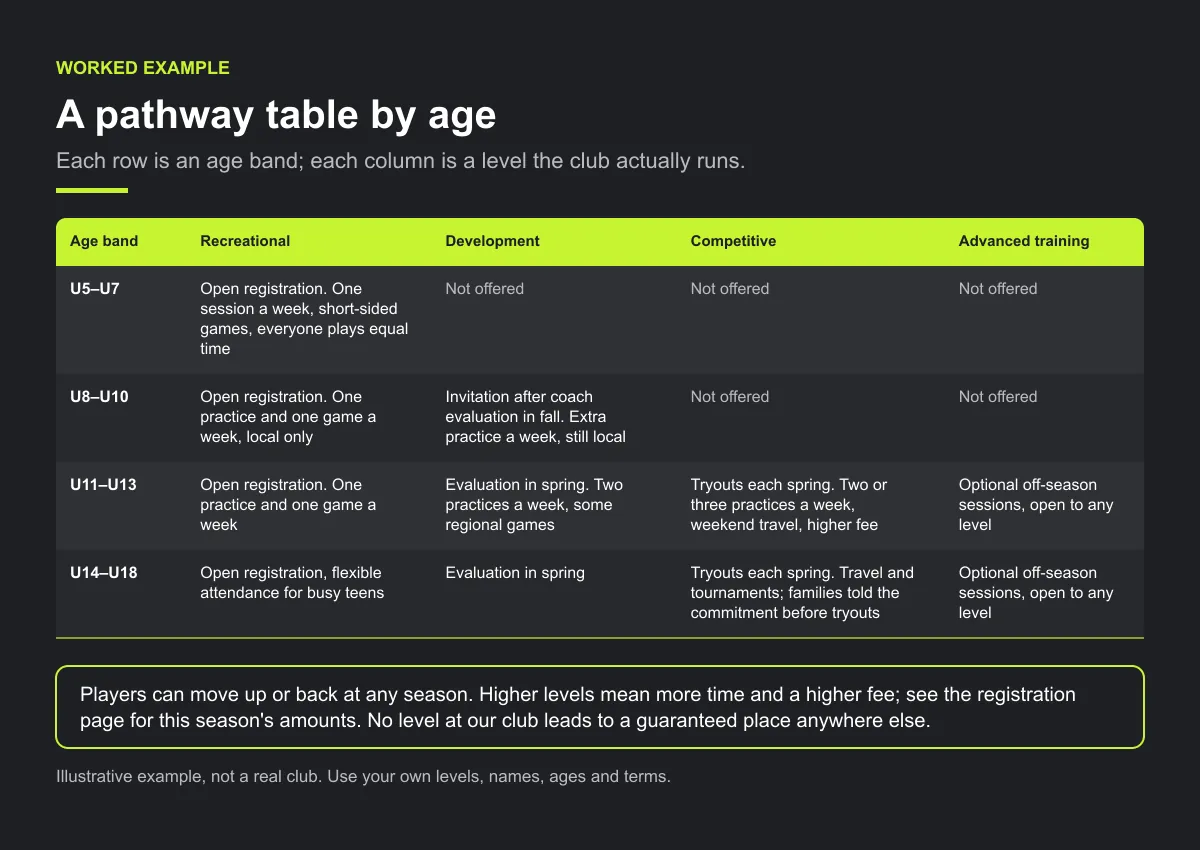
Under the table, add three lines: "Players can move up or back at any season." "Higher levels mean more time and a higher fee; see the registration page for this season's amounts." "No level at our club leads to a guaranteed place anywhere else." Replace "Competitive" with your own word (rep, travel, select, AAA or club team), and say what the word means at your club.
Checklist: is your pathway page ready?
- Every level your club runs is on one page, with its purpose in one sentence.
- Ages, time commitment and cost are stated in general terms for each level.
- How players join, and how they move both up and back, is written down.
- Recreational play is described as a destination, not a stepping stone.
- No mention of scholarships, scouts or professional futures.
- It is linked from registration and sent again before tryouts.
- Every coach has the page and uses its words.
Common mistakes
- Explaining the pathway at tryouts. Families hearing about costs and travel for the first time on tryout day may feel blindsided.
- Using words without defining them. "Academy" or "select" can mean different things at the next club over. Define every name.
- Drawing only an upward arrow. It tells rec families they are at the bottom.
- Implying outcomes. "Our competitive teams get noticed" invites expectations no club can promise.
Keep it inclusive of recreational players
- Draw the pathway sideways, not only up. Recreational is a destination, not a waiting room.
- Celebrate rec teams in club news the same way you celebrate competitive results.
- Use neutral words. Avoid "serious," "real" or "top" players when describing levels.
- Say what rec offers: friends, fun, exercise, a team to belong to. That may be exactly why a family joined.

How Play 2 Earn Sports supports this
- Player profiles that continue across seasons. Each player's journey can continue across seasons, whether they stay in rec or move between levels.
- Shared evaluations, where your club turns them on. Coaches can share an evaluation with a player; the family sees only what is shared, and private staff fields stay hidden.
- Teams and positions. All of the club's teams live in one club account, and rosters show positions where the club has set them.
- One schedule for every team, so families see their own child's games and practices at any level.
- Club announcements to share the pathway page and tryout dates in one voice.
See how a player's journey continues across seasons.
Frequently asked questions
Put it on one page: each level, what it's for, the ages, the time and cost in general terms, and how players join and move. Share it at registration, at a parent meeting, before tryouts, and after evaluations.
At most clubs, recreational is open to everyone, close to home, with less time and cost. Competitive teams are selected, practise more and travel more. Every club defines its levels a little differently, so publish your own definitions.
It varies by club. Usually it means extra training or a development program. Explain exactly what yours includes, who it's for and how players join.
Before they need to decide. At registration and early in the season, not for the first time at tryouts.
Draw the pathway sideways as well as up, celebrate rec teams in club news, and use neutral words for every level.
Starter is free for clubs with up to 10 teams. Pro is $49.67 USD a month for 11 to 25 teams. Unlimited is $99.67 USD a month for 26 or more teams. Every feature is on every plan, and players and parents are always included. See pricing.
