
🏆 Why Long-Term Athlete Development Requires More Than Schedules and Rosters
Youth sports have traditionally been managed one season at a time. Teams form, schedules are created, games are played, and once the season ends, everything res...
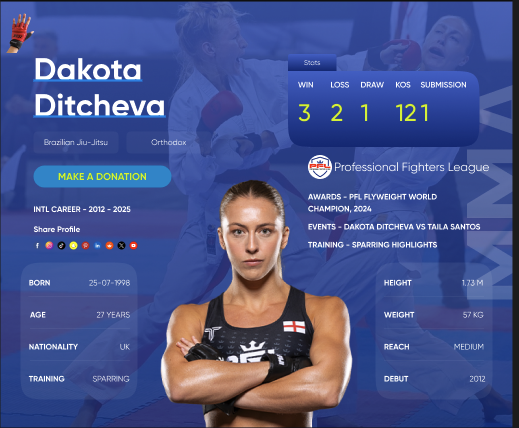
Youth sports have traditionally been managed one season at a time. Teams form, schedules are created, games are played, and once the season ends, everything resets.
While this approach works administratively, it doesn’t reflect how athletes actually develop.
Real player development happens over years, not seasons. And that’s exactly why long-term athlete development requires more than basic sports management software.
The Disconnect Between Athlete Development and Sports Software
Most sports platforms were built to answer one question:
“Who is playing this season?”
But development-focused programs need to answer much more:
Where has this athlete played before?
How long have they been involved?
What level of experience do they have?
How consistent has their participation been?
Are they multi-sport athletes?
Without persistent records, these questions are difficult — or impossible — to answer accurately.
Why Continuity Matters in Youth Sports
Continuity is one of the most overlooked factors in youth sports.
When athletes:
Change teams
Move between clubs
Age up divisions
Switch sports seasonally
Their digital footprint is often fragmented across multiple systems.
This creates:
Gaps in player history
Repeated onboarding
Lost development context
Frustration for parents and coaches
A system that maintains one continuous player profile solves this problem.
Player Profiles Support Real Development Models
Modern athlete development models emphasize:
Long-term participation
Progressive skill building
Exposure to varied environments
Multi-sport involvement
Consistency over time
A player profile system aligns naturally with this approach by keeping the athlete at the center — not the team or season.
Instead of rebuilding records every year, development becomes cumulative.
Multi-Sport Athletes Need Unified Profiles
Many young athletes play:
Soccer in summer
Hockey in winter
Basketball or baseball year-round
Yet most platforms treat each sport as a separate identity.
This leads to:
Duplicate accounts
Fragmented histories
Lost engagement
Unified digital player profiles allow athletes to maintain one identity across multiple sports, providing a complete picture of their involvement and growth.
Why Clubs Benefit From Development-Focused Platforms
Clubs that adopt player-centered systems gain:
Better retention
Stronger engagement
Clearer athlete histories
Improved transitions between programs
Less administrative friction
These benefits aren’t just technical — they directly impact the quality and sustainability of the organization.
From Managing Seasons to Supporting Journeys
The future of youth sports management is not about replacing schedules or registrations.
It’s about supporting athlete journeys.
Platforms that combine administration with persistent player profiles are becoming the new standard because they align with how sports actually work in real life.
A detailed explanation of how player profile systems enable long-term athlete development can be found here:
👉 The Ultimate Sports Player Profile System in Youth Sports
The Shift Is Already Happening
Youth sports are evolving quickly. Families expect continuity. Athletes expect recognition. Clubs expect better tools.
Systems built solely around seasons are being replaced by platforms built around players.
Those that adapt will thrive. Those that don’t will feel increasingly outdated.
Related on Play 2 Earn Sports