
Baseball Explained: History, Contracts, Rules, and Common Questions
Baseball is one of the world’s most enduring and structured sports. Known for its deep history, detailed rules, and unique development pathways, baseball blends...
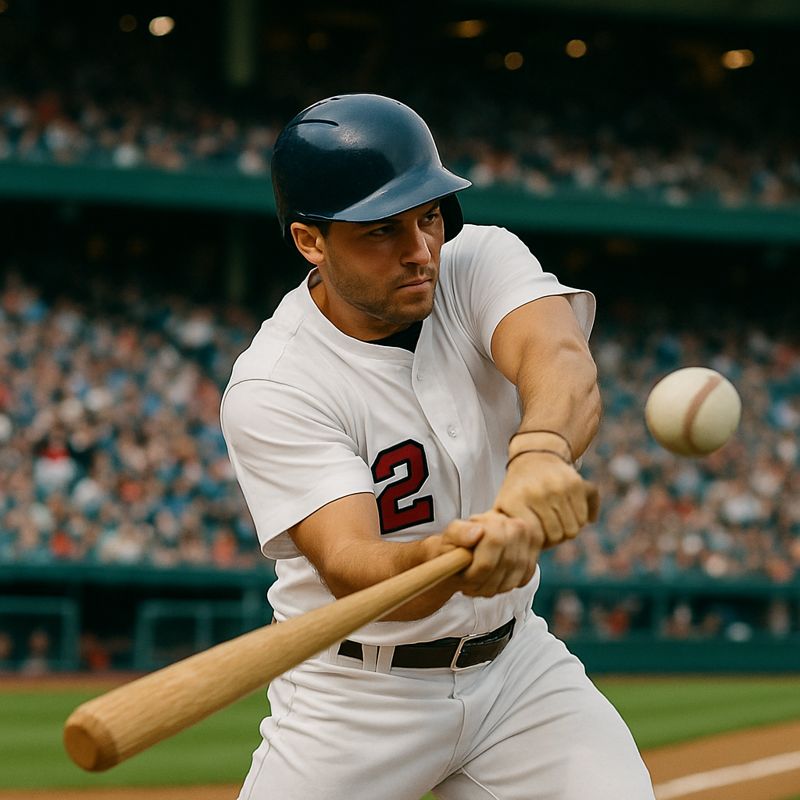
Baseball is one of the world’s most enduring and structured sports. Known for its deep history, detailed rules, and unique development pathways, baseball blends tradition with strategy in a way few sports can match. Whether you’re a parent, new fan, player, or coach, understanding how baseball works — on and off the field — makes the game far more enjoyable.
This guide breaks down baseball’s history, rules, contracts, and the most common questions people ask.
A Brief History of Baseball
Baseball originated in the mid-1800s in North America, evolving from older bat-and-ball games. By the late 19th century, organized leagues and standardized rules helped baseball grow into a professional sport with widespread appeal.
The game’s popularity exploded as it became deeply tied to community identity, especially in the United States and Canada. Professional leagues, youth systems, and farm teams created a clear pathway from grassroots baseball to the highest levels, including Major League Baseball.
Today, baseball is played globally, with strong participation across North America, Latin America, Asia, and Europe.
How Baseball Is Played (Basic Rules)
At its core, baseball is a team sport played between two teams of nine players. The goal is to score runs by hitting a pitched ball and safely rounding a series of bases.
Key Rules Explained Simply
-
Games are divided into innings (usually nine)
-
Each team bats and fields in every inning
-
Teams score runs by completing a full circuit of four bases
-
A batter gets three strikes or four balls
-
Three outs end a team’s turn at bat
Common Field Positions
-
Pitcher and catcher
-
Infielders: first base, second base, shortstop, third base
-
Outfielders: left, center, and right field
While the rules may seem complex at first, they become intuitive with regular play and viewing.
Youth Baseball and Player Development
Baseball development usually begins at a young age, often through tee-ball and coach-pitch leagues. As players grow, they move into kid-pitch formats and more competitive divisions.
Youth baseball development focuses on:
-
Hand-eye coordination
-
Throwing and catching mechanics
-
Batting fundamentals
-
Base running awareness
-
Team communication
Unlike many fast-paced sports, baseball development rewards patience, repetition, and consistency over time.
How Baseball Contracts Work
Professional baseball contracts are one of the most common sources of confusion for fans.
At the professional level:
-
Players sign contracts with organizations, not individual teams
-
Most players start in minor league systems
-
Contracts vary by length, salary, bonuses, and incentives
-
Advancement is based on performance, development, and team needs
At youth and amateur levels:
-
Players do not sign contracts
-
Participation is based on registration and eligibility rules
-
Development and exposure matter more than financial terms
This layered system allows players to develop gradually while maintaining competitive balance across leagues.
Common Baseball Questions Answered
Why do baseball games seem slow?
Baseball is a game of strategy and anticipation. Pitch selection, defensive positioning, and situational decisions are just as important as physical action.
Why do players switch teams so often?
Trades, free agency, and development assignments are normal parts of professional baseball’s structure.
Is baseball safer than other sports?
Baseball has lower contact than many sports, but safety still depends on proper coaching, protective equipment, and age-appropriate play.
Why do stats matter so much in baseball?
Baseball has measurable outcomes for nearly every action, making statistics a powerful tool for evaluation and development.
Baseball Beyond the Field
Baseball teaches valuable life skills that extend beyond competition:
-
Focus and patience
-
Accountability
-
Teamwork and communication
-
Mental resilience
-
Respect for rules and structure
These qualities are why baseball remains a foundational sport in many communities.
Final Thought
Baseball is a sport built on history, discipline, and long-term development. From youth leagues to professional contracts, it rewards players who commit to learning the game step by step.
Understanding how baseball works — its rules, systems, and pathways — helps players, families, and fans appreciate why the sport has endured for generations.
Baseball isn’t just played.
It’s learned, practiced, and lived over time.
Related on Play 2 Earn Sports